Clematis East River - Clematide
Clematis East River - Clematide
Clematis x diversifolia East River (Zoeastri)
Clematide
Consegna a domicilio o a staffetta (a seconda delle dimensioni e della destinazione)
Importante: al momento della consegna, l'ufficio doganale del proprio Paese potrebbe addebitare dei dazi doganali.
Programmare la data di consegna,
e scegliere la data nel carrello
12 mesi garanzia di permuta su questa pianta
Altre informazioni
Garantiamo la qualità delle nostre piante per un intero ciclo di crescita e sostituiremo a nostre spese qualsiasi pianta che non si riprenda nelle normali condizioni climatiche e di impianto.

Questa pianta è adatta al mio giardino?
Creo il mio profilo Plantfit →
Descrizione del prodotto
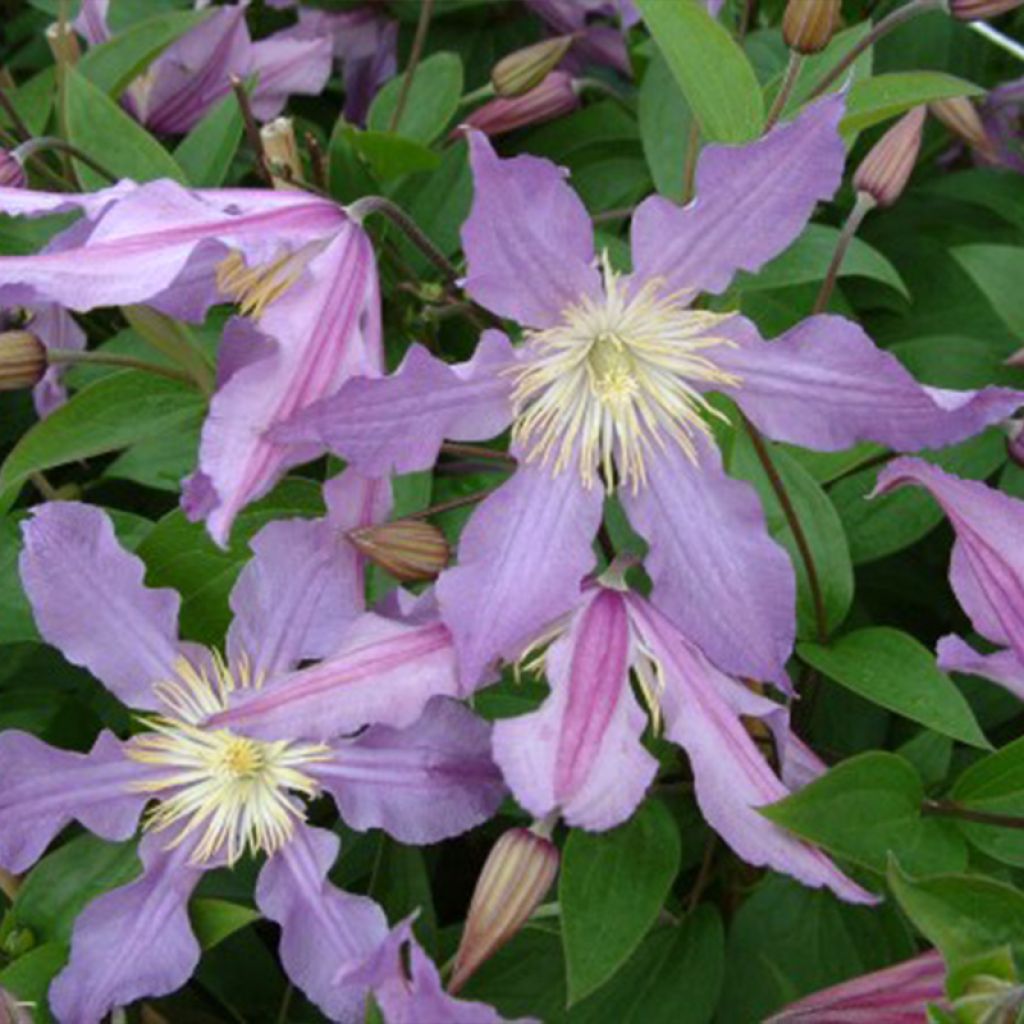
The Clematis East River (Zoeastri), rare and beautiful, is a variety belonging to the group of diversifolia clematis which resemble more to the perennial plant than to the vine. Its light purple flowers with pink highlights, of a good size, stand out with their graceful star-shaped silhouette with all wavy branches. Well displayed, they reveal a very beautiful crown of light yellow stamens. This small climber thrives on old walls, trellises, fences, but also as ground cover at the base of trees. Ideal when paired with a shrub, in a container or in the ground. Its flowers last several days in bouquets.
Clematis belong to the Ranunculaceae family. 'East River' is a recent cultivar derived from Clematis diversifolia, a hybrid between Clematis integrifolia and various forms of C.viticella. It is a herbaceous climbing perennial plant, reaching 1.50 m in height (slightly less in a pot), with a spread of 90 cm to 1 m. Deciduous, it completely dries out every winter and regrows numerous stems from its base in spring. Its flowering occurs from May to September.
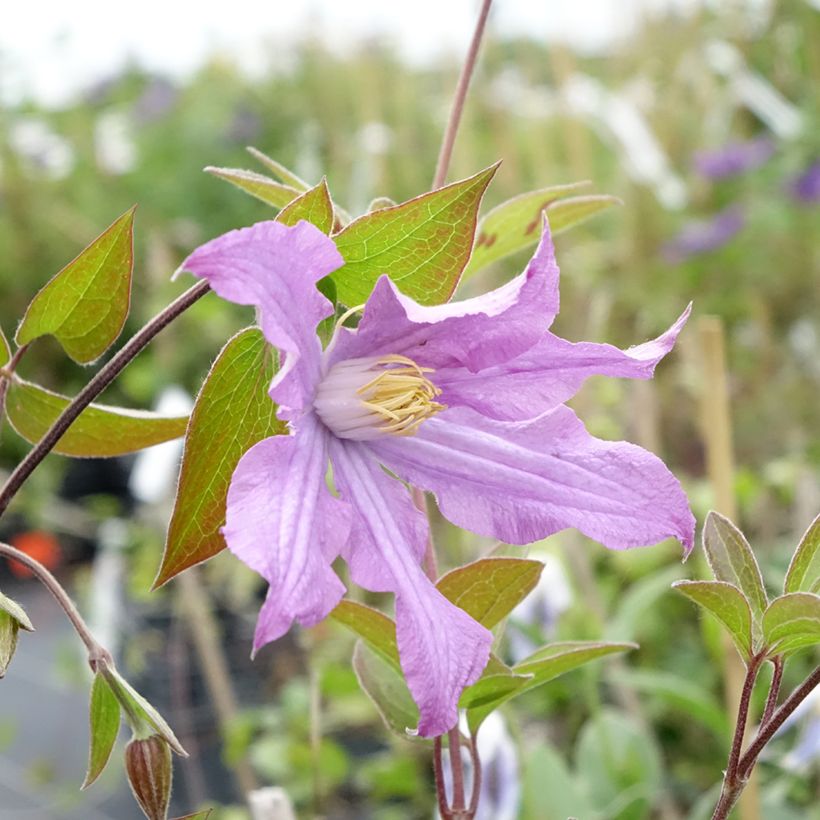
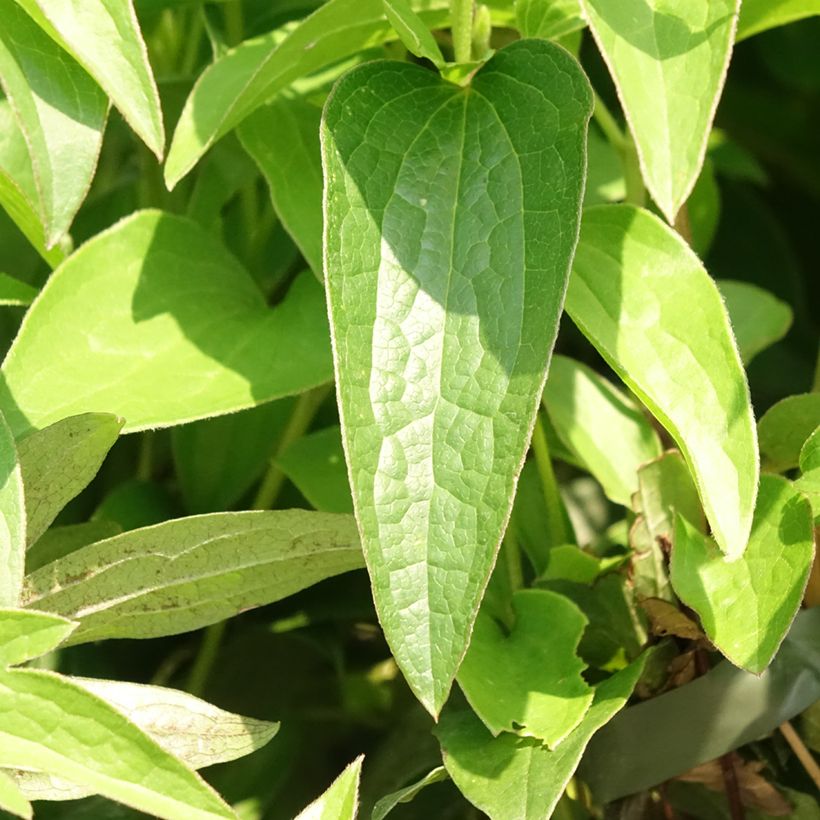
The East River flowers measure 8 to 10 cm in diameter, appearing on the new shoots from May-June to September, either solitary or grouped in clusters or small bouquets. Each flower consists of 6 well-separated tepals, thin at the base, wavy at the edges, surrounding a prominent heart of very pale yellow stamens. Feathery fruits follow the flowers and persist until winter, they are decorative and silvery-gray. The leaves are simple and entire or divided into 3 leaflets, lanceolate to cordiform, of a fairly dark green. This clematis climbs on the support or host plant through petioles transformed into tendrils.
This 'East River' clematis can be used as a perennial plant, in a rock garden and in a mixed border. It will be perfect for free use in a garland, or in the branches of a shrub with staggered flowering (Compact Lilacs, mock oranges, deutzias...). Ideal for filling a slightly sad creeping conifer in summer, this lovely plant will also adorn balconies, as it performs well in a container. Cut before full bloom, the flowers last up to 10 days in a vase.
Segnala un errore nella descrizione del prodotto
Clematis East River - Clematide in foto...
Porto
Fioritura
Fogliame
Botanici
Clematis
x diversifolia
East River (Zoeastri)
Ranunculaceae
Clematide
Orticola
Piantagione e cura
The Clematis diversifolia East River thrives in sunny locations. As it blooms on the current year's branches, prune its vegetation to 20 cm above the ground, just above a nice pair of buds, at the end of winter (March), before the vegetation starts growing. Plant it in a fertile, humus-rich, well-drained soil, shading the roots and the base of the stem (with a flat tile for example). Herbaceous species prefer full sun, but these plants like to keep their roots cool. However, they wilt in overly wet soil, so ensure good drainage for them.
Set your clematis by covering the root ball with 3 cm of soil, in a soil worked to a depth of 20 cm, lightened with good compost and coarse sand. During the first few weeks, water regularly. Mulch all clematis in February with garden compost or well-rotted manure, avoiding direct contact with the stems. Cover the base of climbing clematis with a small mound of soil to reduce wilting risks, while promoting vigorous shoots from the base. After planting, cut back the stems of deciduous clematis to around 20 cm from the base above a nice pair of buds.
We advise against overwatering in winter, as stagnant water can lead to fungus development at the base. Train the stems, without constricting them, until the plant grips on its own. Clematis also enjoy growing freely on nearby plants. Voles and grey worms can attack clematis and devour the stems. Aphids and greenhouse whiteflies are also potential pests of clematis.
Quando piantare?
Per quale località?
Trattamenti
Questo articolo non è ancora stato recensito; sii il primo a condividere la tua esperienza.
Prodotti visualizzati di recente
Non hai trovato quello che cercavi?
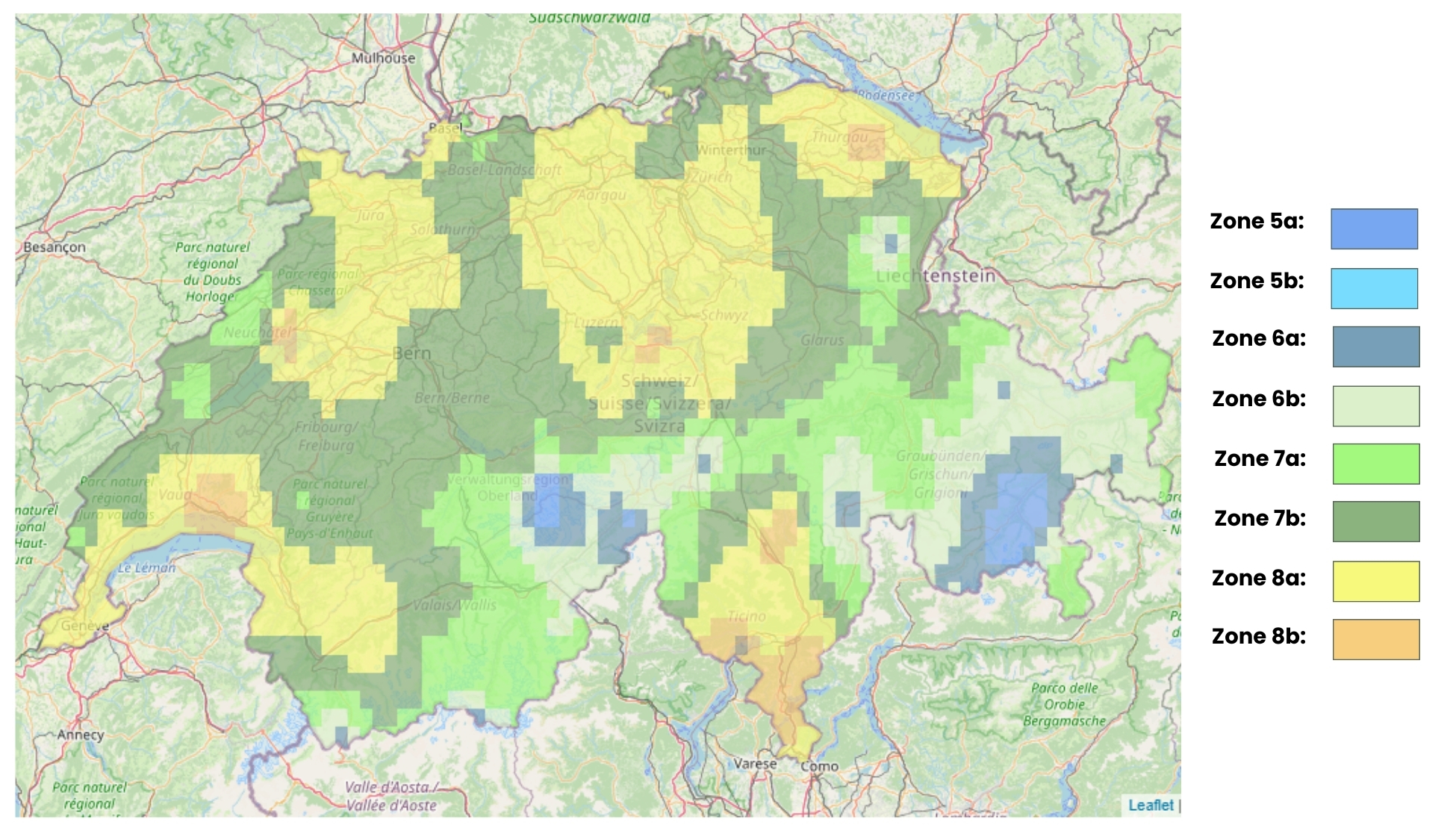
La rusticità è la temperatura invernale più bassa che una pianta può sopportare senza subire gravi danni o addirittura morire. Tuttavia, la rusticità è influenzata dalla posizione (zona riparata, come un patio), dalla protezione (copertura invernale) e dal tipo di terreno (la rusticità è migliorata da un terreno ben drenato).
I periodi di semina indicati sul nostro sito web si riferiscono a Paesi e regioni all'interno della Zona USDA 8 (Francia, Regno Unito, Irlanda, Paesi Bassi).
Nelle zone più fredde (Scandinavia, Polonia, Austria...), ritardare le semine all'aperto di 3-4 settimane o seminare sotto vetro.
Nei climi più caldi (Italia, Spagna, Grecia, ecc.), anticipare la semina all'aperto di qualche settimana.
Il periodo di fioritura indicato sul nostro sito web si riferisce alle regioni situate nelle zone USDA 7b–8a (Altopiano centrale e Arco del Lemano: Zurigo, Berna, Basilea, Losanna, Ginevra).
Esso varierà a seconda del luogo di residenza:
- In Ticino e nelle valli meridionali (Lugano, Locarno, Bellinzona, Mendrisio), la fioritura sarà anticipata di 2-4 settimane rispetto alle date indicate, grazie a una marcata influenza mediterranea che mitiga gli inverni e rende le primavere particolarmente precoci.
- Nelle Alpi e nelle Prealpi (Davos, St. Moritz, Zermatt, Interlaken, Coira), la fioritura sarà ritardata di 4-6 settimane. Avverrà principalmente tra giugno e agosto a seconda dell'altitudine.
Il periodo di piantagione indicato sul nostro sito web si applica alle regioni situate nelle zone USDA 7b–8a (Altopiano centrale e Arco del Lemano: Zurigo, Berna, Basilea, Losanna, Ginevra). Esso varia a seconda del luogo di residenza:
- In Ticino e nelle valli meridionali (Lugano, Locarno, Bellinzona, Mendrisio), è preferibile piantare in autunno (ottobre–novembre) o alla fine dell'inverno (febbraio–marzo), evitando i mesi estivi in cui il caldo e la siccità possono costituire un rischio per le piantagioni recenti.
- Nelle Alpi e nelle Prealpi (Davos, Saint-Moritz, Zermatt, Interlaken, Coira), è preferibile piantare in tarda primavera (maggio-giugno), una volta scongiurato il rischio di gelate tardive, oppure in fine estate (agosto), prima che le gelate precoci si verifichino già a settembre in altitudine.
Il periodo di raccolta indicato sul nostro sito web si riferisce ai Paesi e alle regioni della zona USDA 8 (Francia, Inghilterra, Irlanda, Paesi Bassi).
Nelle zone più fredde (Scandinavia, Polonia, Austria...) la raccolta di frutta e verdura potrebbe essere ritardata di 3-4 settimane.
Nelle zone più calde (Italia, Spagna, Grecia, ecc.), la raccolta avverrà probabilmente prima, a seconda delle condizioni meteorologiche.
Nei climi temperati, la potatura degli arbusti a fioritura primaverile (forsizia, spiree, ecc.) deve essere effettuata subito dopo la fioritura.
La potatura degli arbusti a fioritura estiva (lillà indiano, perovskia, ecc.) può essere effettuata in inverno o in primavera.
Nelle regioni fredde e con piante sensibili al gelo, evitate di potare troppo presto quando possono ancora verificarsi forti gelate.
Paese di consegna e lingua
La tua posizione sembra essere:
La tua posizione è:
Per godere della migliore esperienza sul nostro sito, è possibile cambiare:
Paese di consegna:
-
 Austria
-
 Belgio
-
 Bosnia ed Erzegovina
-
 Bulgaria
-
 Cechia
-
 Cipro
Cipro
-
 Croazia
-
 Danimarca
-
 Estonia
-
 Finlandia
-
 Francia
-
 Germania
-
 Grecia
-
 Irlanda
-
 Islanda
-
 Italia
-
 Lettonia
-
 Liechtenstein
-
 Lituania
-
 Lussemburgo
-
 Malta
Malta
-
 Paesi Bassi
-
 Polonia
-
 Portogallo
-
 Romania
-
 Serbia
-
 Slovacchia
-
 Slovenia
-
 Spagna
-
 Svezia
-
 Svizzera
-
 Ungheria
Lingua:
-
Francese
-
 Inglese
-
Spagnolo
-
Italiano
-
Tedesco
-
Portoghese
-
Olandese
-
Finlandese
Il mio account
Salve
I miei elenchi di preferiti
Il mio carrello
Accesso / Registrazione
Sei già cliente?
Questo modulo è protetto da reCAPTCHA - si applicano l'informativa sulla privacy e i termini di servizio.
Non sei ancora cliente?
Crea il tuo account per poter seguire il tuo ordine, accedere al nostro servizio clienti e, se lo desideri, approfittare delle nostre prossime offerte.